
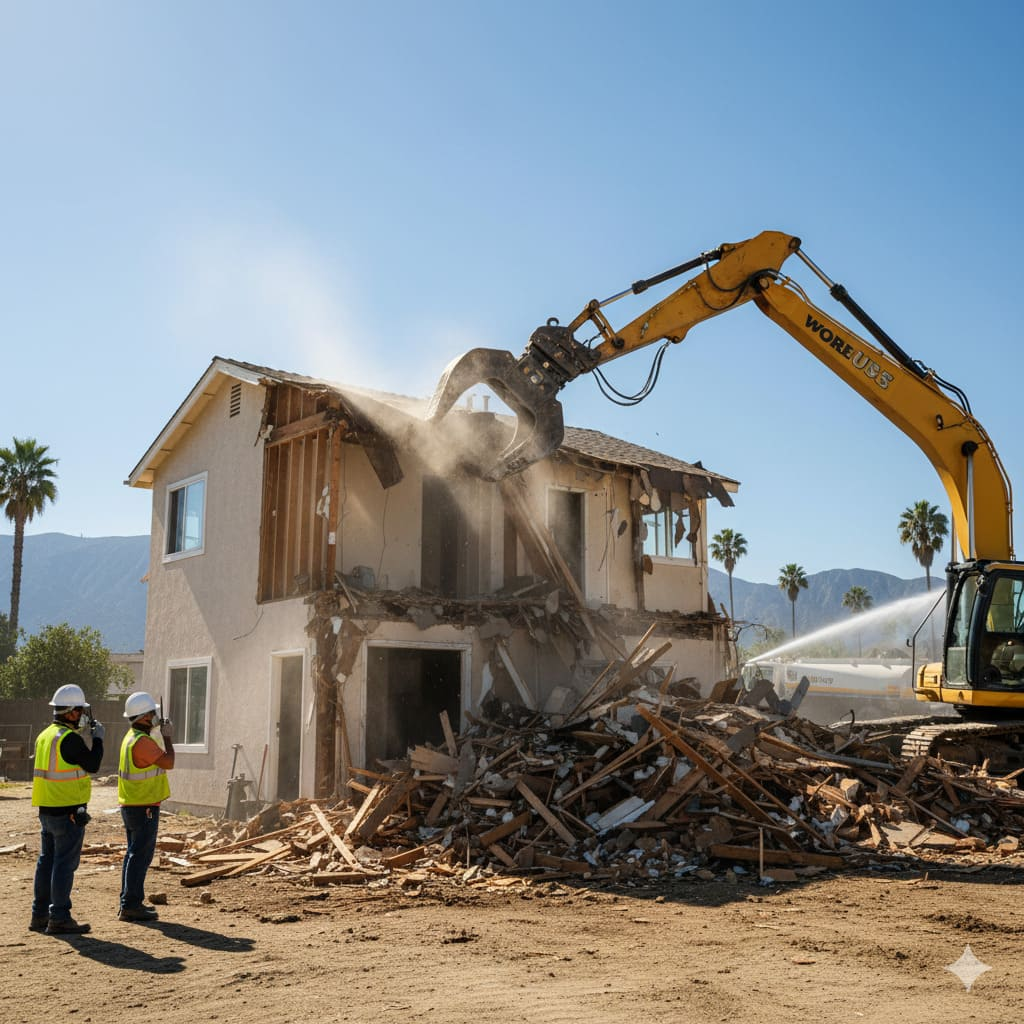
Demolition 101 for Home Projects in 2025
Your Newport Beach Backyard oasis Awaits ADU, Deck, Patios, Fencing & Turf Get a Free Qoute Table of Contents Table
If you live in the South Bay, your backyard isn’t just a yard—it’s an extension of your living room. Whether you’re catching a breeze in Redondo Beach, managing a hillside view in Palos Verdes, or maximizing a compact lot in Hermosa, we all share the same goal: Seamless indoor-outdoor living.
When planning a makeover, you’ll hear two terms: “landscaping” and “hardscaping.”
Most of us know landscaping. That’s the “softscape”—the living, growing elements like grass, succulents, palm trees, and mulch.
So, what is hardscaping?
Hardscaping is the “hard” stuff. It is the non-living, man-made infrastructure of your yard. It is the skeleton of your outdoor space, giving it structure, defining the “rooms,” and providing function. If you are searching for “hardscaping near me,” you aren’t looking for a gardener; you are looking for a builder who creates permanent foundations.
A beautiful yard needs a balance of both. But here is the truth: The hardscape must come first. You can replant a rose bush easily, but moving a concrete patio or a retaining wall is a major construction project.
Hardscaping is a broad category, but for our coastal environment, it generally falls into five critical buckets.
This is the most common hardscape project we tackle at GAGA US Construction.
The Function: It acts as the “floor” for your outdoor life. It’s the stable, level surface for your dining table, lounge chairs, and grill.
South Bay Context: In beach cities like Manhattan and Hermosa, where lot sizes are smaller, a well-designed patio often replaces the lawn entirely to create a low-maintenance entertainment hub. We often design “California Rooms”—covered patios that blend seamlessly with the indoors via large sliding doors.
Walkways determine the “flow” of your property.
The Function: They connect different zones (like the side gate to the back door) and protect your remaining softscape from being trampled.
Materials: We use everything from modern large-format pavers to organic flagstone or decomposed granite (DG) for a rustic, beachy look.
If you live in the “Riviera” section of Torrance, San Pedro, or Palos Verdes, this is likely your #1 concern.
The Function: Retaining walls hold back soil to create flat, usable land on a slope. They turn a useless hill into a tiered garden or a flat patio.
The Engineering: This is not a DIY project. A retaining wall fights gravity. It must hold back tons of earth. At GAGA, we engineer these walls with proper drainage behind them so that water pressure doesn’t build up and blow the wall out during a heavy rainstorm.
Your driveway is often 30% of your home’s front visual.
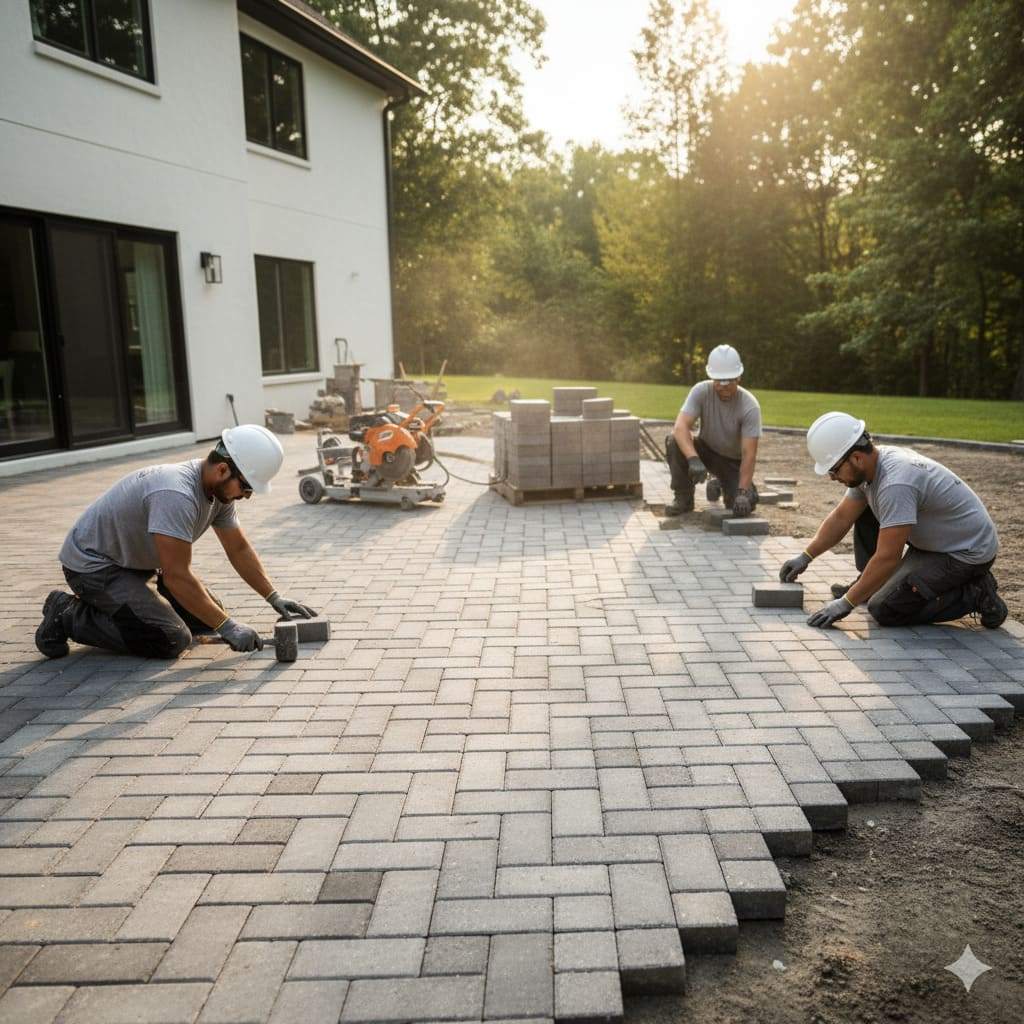
The Upgrade: Replacing cracked asphalt or stained concrete with interlocking pavers is the single fastest way to boost curb appeal.
Durability: Pavers are excellent for the South Bay because they are flexible. When the ground shifts (due to settling or minor seismic activity), pavers move with it rather than cracking like a solid slab.
These turn a yard into an oasis.
Built-in BBQ Islands and Outdoor Kitchens.
Fire pits (Gas-plumbed features are standard in the South Bay for those cool coastal evenings).
Pergolas and shade structures.
As a professional builder, the biggest mistake I see homeowners make is obsessing over the surface material (the pretty stone) and ignoring what goes underneath it.
You can buy the most expensive Italian porcelain pavers on the market, but if they are installed on a bad base, your patio will fail within two years. It will sink, heave, and separating.
The South Bay Challenge: Sandy Soil Much of the South Bay sits on sandy soil. While this is good for drainage, it can shift easily if not contained. When you hire GAGA US Construction, you aren’t just paying for us to lay stones. You are paying for:
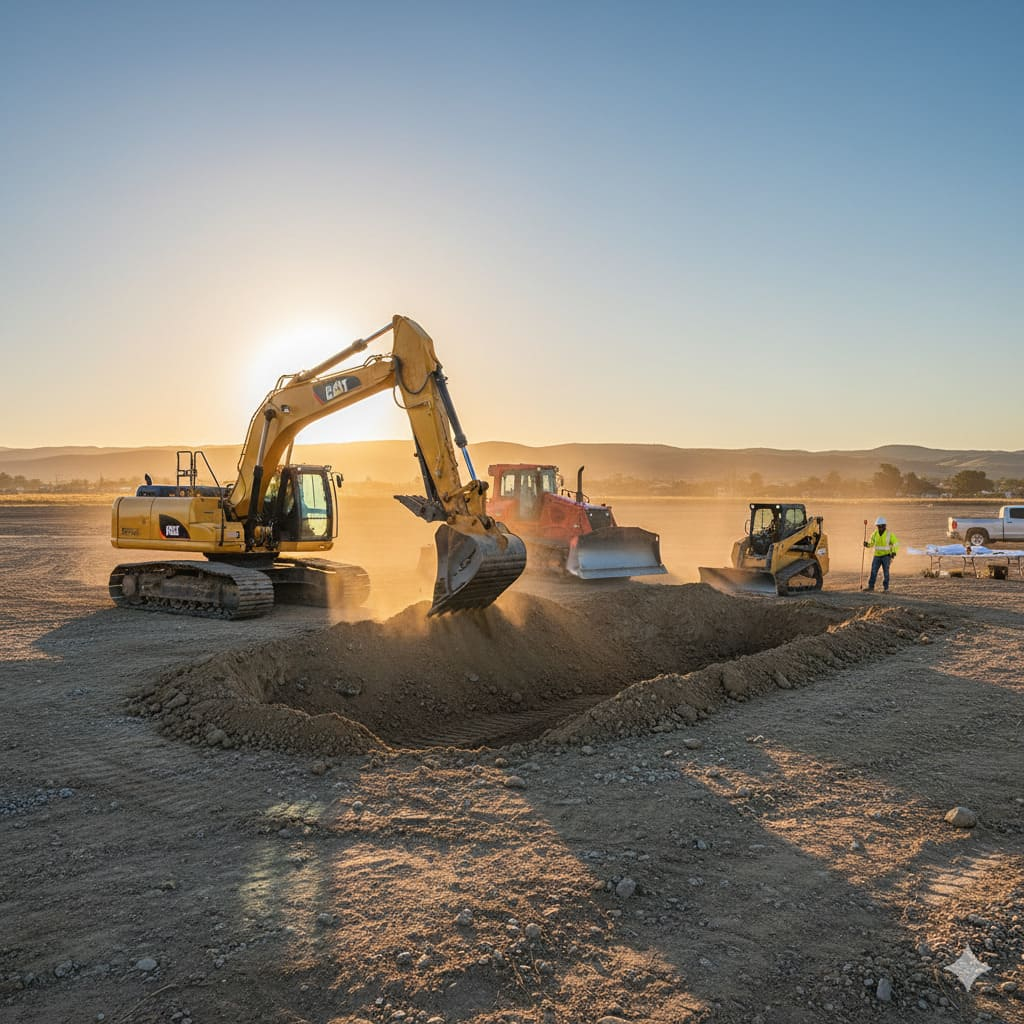
Excavation: We don’t just lay pavers on the grass. We dig out 8-10 inches of organic topsoil.
Base Compaction: We install a deep, multi-layer base of crushed gravel and bedding sand. We use heavy industrial plate compactors to make this base rock-hard. This is 80% of the work.
Geo-Textile Fabric: In sandy areas, we install a special fabric between the soil and the gravel. This prevents your gravel base from sinking down into the sand over time (which causes ruts in your driveway).
Living near the ocean changes how we build. The “Marine Layer” brings moisture and salt that can eat away at lesser materials.
1. Interlocking Pavers
Best For: Driveways and high-traffic patios.
Why: They are incredibly durable, won’t crack during earthquakes, and individual stones can be replaced if stained by oil or grease.
South Bay Note: We use high-density pavers that resist salt corrosion.
2. Natural Stone (Flagstone/Travertine)
Best For: Pool decks and garden paths.
Why: Travertine stays cool to the touch, even in the hot Torrance sun, making it perfect for bare feet around a pool.
3. Concrete (Poured)
Best For: Modern, minimalist aesthetics.
Why: It’s cost-effective. However, we always warn clients: “There are two types of concrete: concrete that has cracked, and concrete that will crack.” It is the nature of the material in California’s shifting soil.
4. Permeable Pavers (The Eco-Friendly Choice)
Best For: Meeting city code requirements.
Why: Many South Bay cities have strict rules about “runoff.” Permeable pavers allow rainwater to soak through the joints and back into the ground, rather than running off into the street and ocean. This can often help you bypass strict drainage requirements.
This is a specific issue for homeowners in Hermosa Beach, Manhattan Beach, and Redondo Beach.
Most cities have “Lot Coverage” or “Impermeable Surface” limits. For example, you might only be allowed to cover 50-60% of your lot with “hard” surfaces (house + patio + driveway).
If you pave your entire backyard without a permit, the city can force you to tear it out.
How GAGA Helps: We know the local codes. We can design hardscapes that count as “permeable” or balance the design with enough softscape to keep you legal and avoid fines.
When you are ready to start, look for a contractor with a C-27 (Landscaping) or B (General Building) license. A “handyman” is not qualified for structural hardscaping.
Ask them these three specific questions to test their knowledge:
1. “How do you handle drainage on a flat lot?”
The Right Answer: They should talk about sloping the patio slightly (1/4 inch per foot) away from the house foundation. They should also discuss installing channel drains or French drains to route water to the street or a sump pump.
2. “How deep will you make the base for my driveway?”
The Right Answer: For a patio, 4-6 inches of compacted base is standard. For a driveway holding cars, it must be 8-12 inches. If they say 4 inches for a driveway, show them the door. It will sink.
3. “Do you use polymer sand?”
The Right Answer: Yes. Polymer sand is a special joint sand that hardens like glue when wet. It locks the pavers together, prevents weeds from growing in the cracks, and stops ants from mining the sand out.
Q: What adds more value: hardscaping or softscaping? A: Both do, but hardscaping provides a more immediate and significant Return on Investment (ROI). A beautiful patio or outdoor kitchen adds “usable square footage” to the home. Buyers see it as a room they don’t have to build.
Q: When is the best time of year to install hardscaping in the South Bay? A: Unlike the East Coast, we can build year-round. However, Fall and Winter are ideal. The cooler weather is better for the crews, and building in the “off-season” ensures your yard is 100% ready for the first BBQ of spring. Plus, we can see how rain flows on your property during the wet season and adjust drainage accordingly.
Q: Do I need a permit for a retaining wall? A: In almost all South Bay cities, any wall over 3 feet tall requires a permit. If the wall supports a “surcharge” (like a driveway or hillside above it), it requires a permit regardless of height. GAGA handles all engineering and permitting for you.
Q: Is a wood deck considered hardscaping? A: Technically, yes. Even though it’s wood, it is a structural, non-living element. We often combine wood decks with stone patios to create texture and depth in a yard design.
Good hardscaping is more than just paving stones; it’s the foundation of a great lifestyle. It creates the “rooms” and “hallways” that make your outdoor space functional, inviting, and durable.
Before you plant a single flower, you need a smart plan for the bones of your yard.
Ready to transform your property? Whether you need a simple paver patio in Lawndale or a complex hillside terrace in Palos Verdes Estates, GAGA US Construction has the local expertise to build it right. We understand the soil, the codes, and the coastal climate.
Contact us today for a consultation, and let’s build a backyard that lasts for generations.
Your Newport Beach Backyard oasis Awaits ADU, Deck, Patios, Fencing & Turf Get a Free Qoute Table of Contents Table
Your Newport Beach Backyard oasis Awaits ADU, Deck, Patios, Fencing & Turf Get a Free Qoute Table of Contents Table
Your Newport Beach Backyard oasis Awaits ADU, Deck, Patios, Fencing & Turf Get a Free Qoute Table of Contents Table

GAGA US INC is a licensed (#1074874 – B, C13) General Building Contractor based in Los Angeles. GAGA US works with professional contractors to ensure your construction needs are fully met and executed promptly.